
Pop culture loves a good “what if?” scenario. Sometimes it’s a ridiculous gag or a cool sci-fi gadget, and sometimes it’s a bleak warning disguised as entertainment. Most of the time, these ideas are just there to make a story more entertaining, but every so often, a movie, show, or book accidentally lands on something real, years or even decades before it becomes normal life.
Here are nine times pop culture predicted the future.
1. The Simpsons — Mutated Three-Eyed Fish
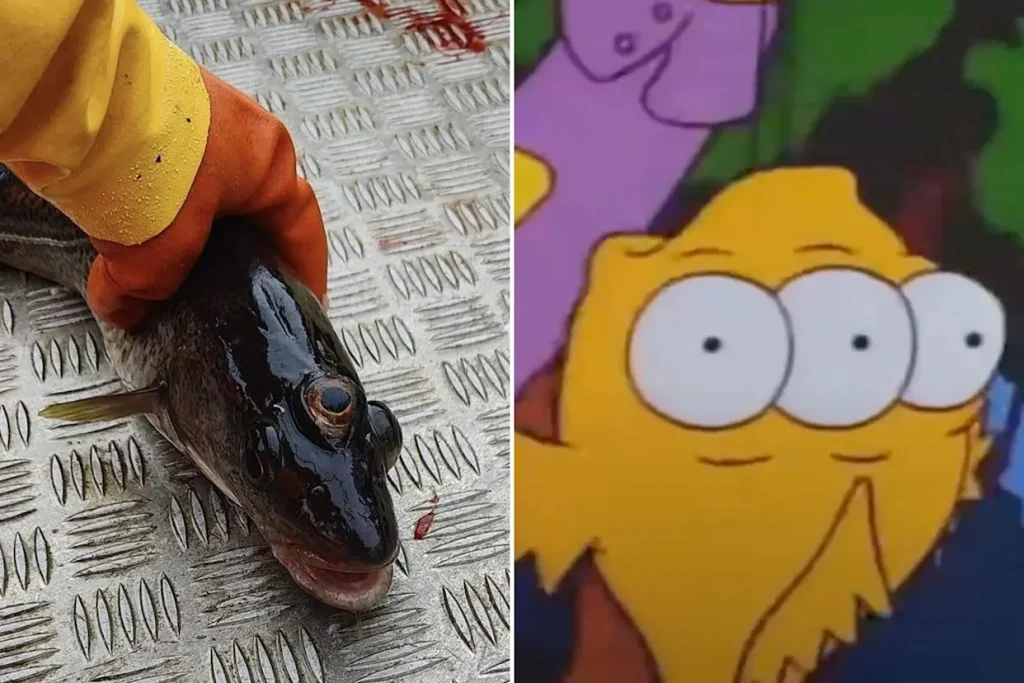
Remember that one Simpsons episode about a three-eyed fish near a nuclear power plant? Well, it was meant to be an environmental satire about pollution, but years later, real stories about animal mutations near polluted areas started popping up. Bart’s three-eyed pet fish, named Blinky, basically became a warning label, especially when photos of a fish with its third eye open were caught in the murky waters. Who knew that water contamination would cause disturbing changes in the ecosystem, right? Well, everyone did, that’s why the cartoon gag worked.
2. Back to the Future Part II — Video Calls
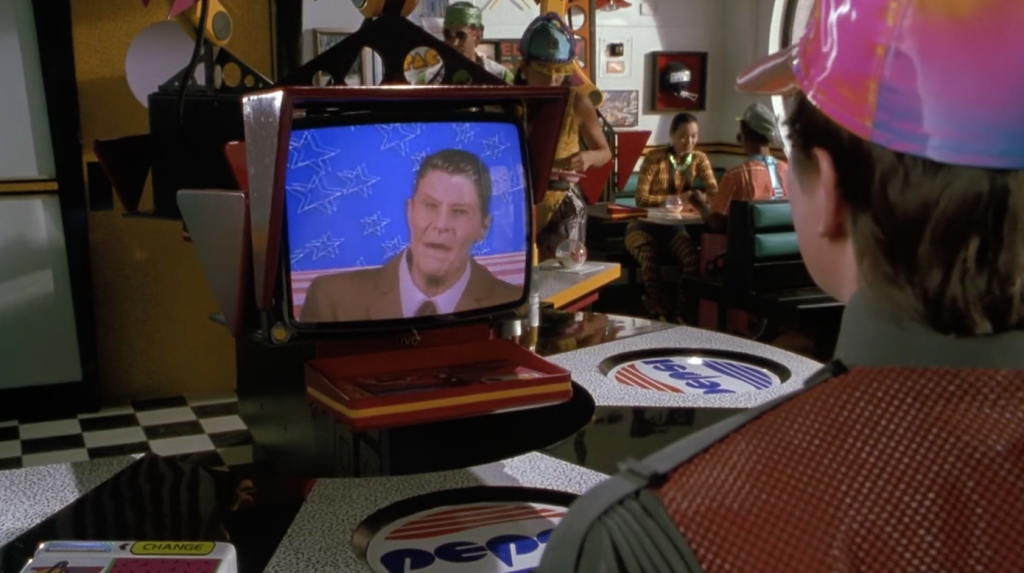
When the movie dropped in 1989, the idea of taking a work call with your face on it felt wildly futuristic. Marty gets a video call at home on a big screen, and the whole thing has that slightly awkward, corporate, “we know where you are and what you’re doing” energy. By 2015 (the year depicted in the movie), FaceTime, Skype, and later Zoom had made video calls routine.
3. The Simpsons (“Bart to the Future”) – President Trump
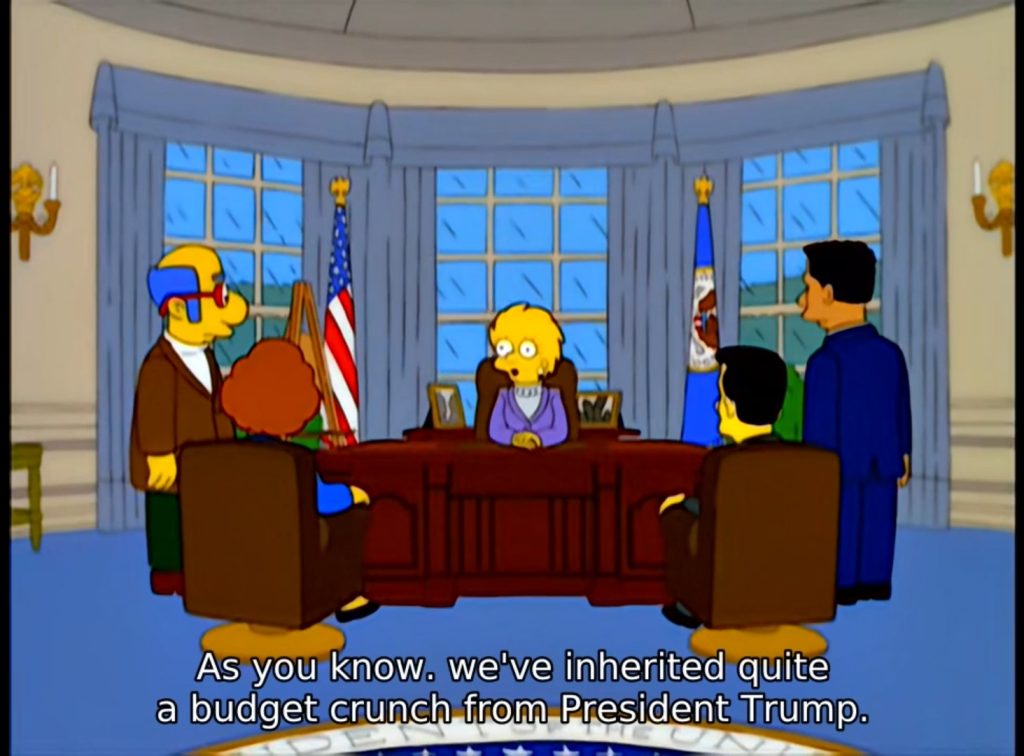
If someone in 2000 told you that The Simpsons predicted America’s inevitable collapse at the hands of one man, you’d call them crazy. In this episode, Lisa Simpson mentioned inheriting money from “President Trump.” Back then, it was a sharp joke about a famous real estate guy somehow becoming the president. Sixteen years later, Donald Trump won the 2016 presidential election, and suddenly that one small line became the most viral clip. Even then, the writers understood that celebrity, branding, and politics were already drifting closer together, eventually colliding into what the US has become today. Wonder if they did a bit on Greenland and penguins at some point.
4. Star Trek — Cell Phones and Wrist Communicators
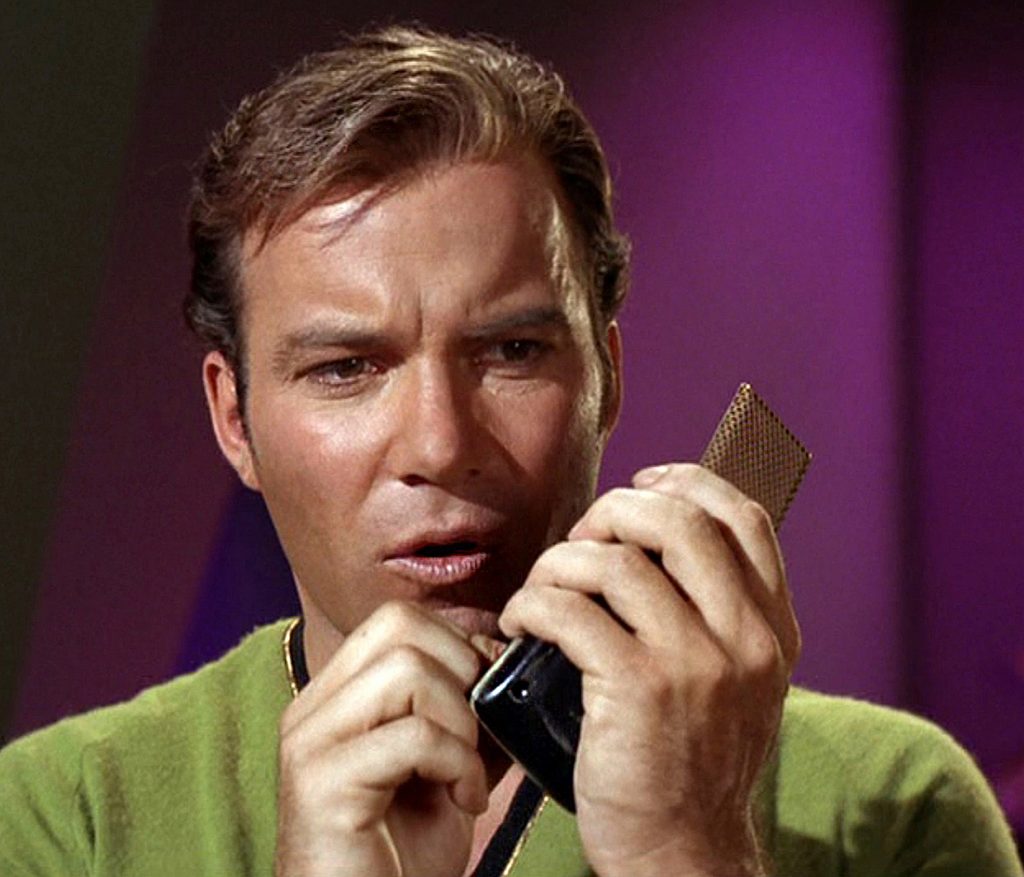
Star Trek characters were the first to use small handheld communicators that did not require a cord. At the time, it was pure sci-fi cool: sleek, simple, and out of this world. Then, decades later, flip phones became a thing, and after that, smartphones, Bluetooth earbuds, and smartwatches that can take calls right from your wrist. What looked futuristic on TV quickly became a staple in our everyday lives.
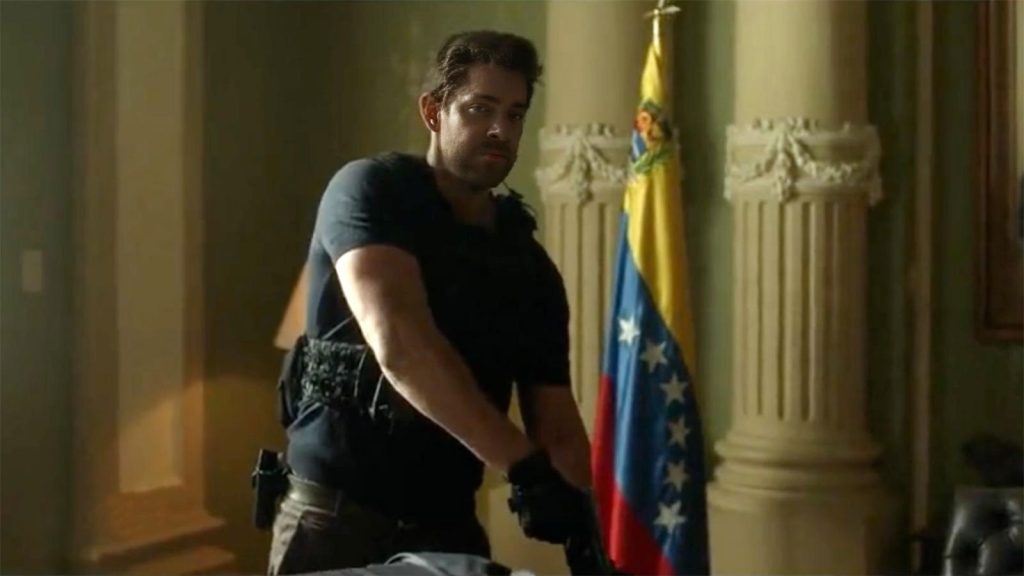
5. Jack Ryan — Venezuela’s Crisis as Global Drama
Season 2 of Jack Ryan leaned into Venezuela’s real-world instability and imagined it escalating into an international flashpoint: corruption, crackdowns, power struggles, and outside forces circling. Sounds familiar? It should because that’s basically what’s happening right this moment. Of course, the show didn’t foresee Venezuela’s problems, given that they have existed for decades. But it did capture how quickly a regional crisis can become international drama once big oil companies get involved.
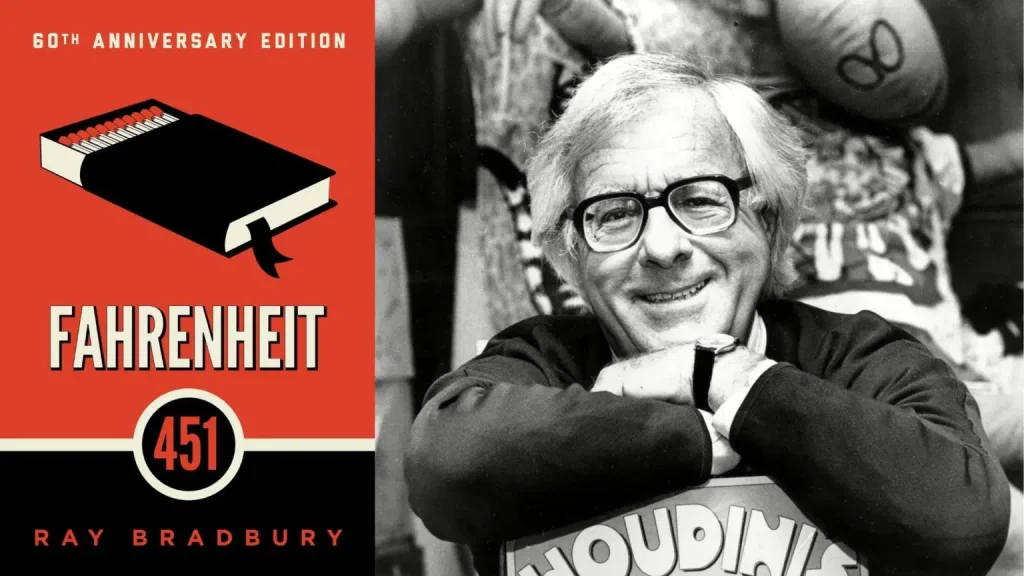
6. Fahrenheit 451 — A Lot of Stuff
Let’s step away from the movies and TV shows for a moment to check on Ray Bradbury’s 1953 novel Fahrenheit 451. In his book, he described not only giant screens in people’s houses but also tiny “seashell” devices you wear in your ears all day. And while that on its own is an impressive prediction already, the real foresight went into the vibe. It’s a setting where a society stays constantly stimulated, so no one has to sit with an uncomfortable thought. Now we’ve got TVs, people watching streams, wearing wireless earbuds, and algorithms designed to keep us scrolling. Thankfully, nobody’s outlawing books just yet, but let’s give it a few years.
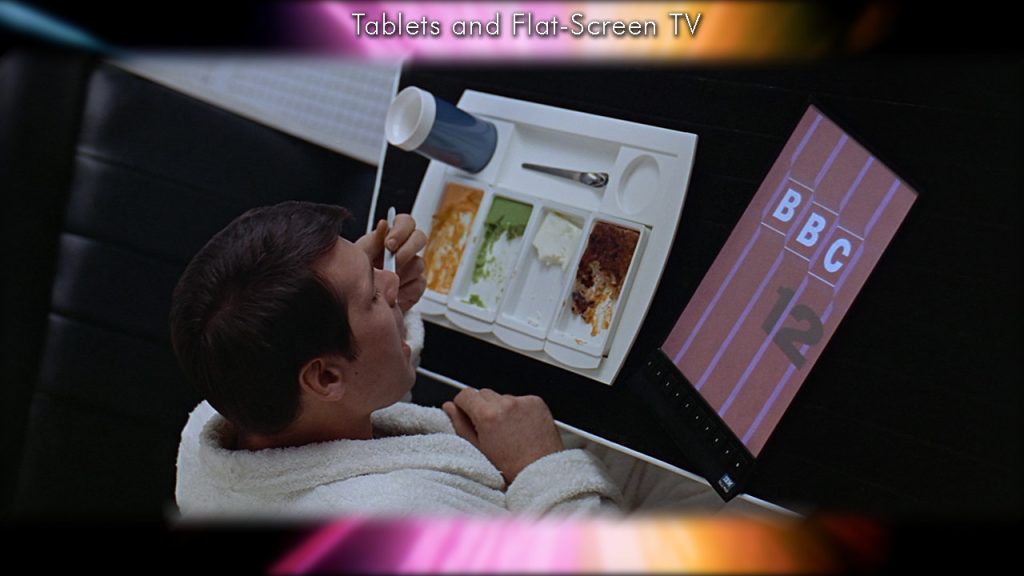
7. 2001: A Space Odyssey — Tablets and Digital News
In 1968, Stanley Kubrick showed astronauts casually reading the news on thin, flat screens and making video calls like it was nothing. The “news pad” wasn’t the point of the movie and was treated like normal everyday tech. Fast forward to today, and we have tablets, smartphones, news apps, and hundreds of other ways to interact with the digital world. The movie’s version of the tech looks just plausible enough for people to believe it’s just a morning routine, and everyone does it.
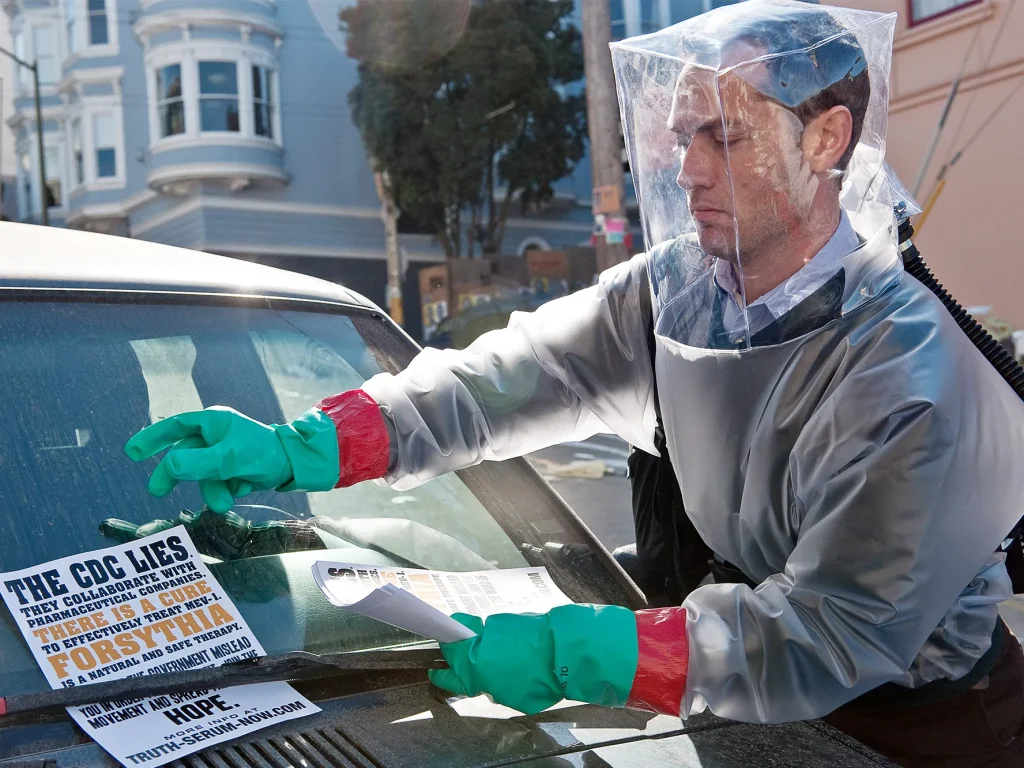
8. Contagion — A Pandemic That Feels Way Too Familiar
When Contagion came out in 2011, it felt scary but unrealistic. The movie virus was spreading so fast that the governments didn’t know how to react. Store shelves emptied, misinformation spread globally, and scientists from all over the world raced to develop a vaccine. It didn’t sound realistic at all, and yet, in 2020, we got to live through this scenario. Suddenly, the film became the world’s least fun rewatch. Masks, social distancing, panic buying, conspiracy theories, and the long vaccine timeline—it was all coming true, and all we could do was to push through and learn from our mistakes, except for the antivaxers.
9. Idiocracy — The World as We Know It
This 2006 comedy took the idea of “dumbed-down culture” and blasted it to cartoon extremes with nonstop junk entertainment, branding everywhere, and public life treated like a loud competition for attention. It was supposed to be exaggerated satire—something you laugh at because it’s too absurd to happen. Surely, people in the real world aren’t as dumb as these made-up citizens. Let’s just say, all the jokes became reality, and, as it turns out, people are actually okay with living in a dystopia as long as they get a hot meal and access to the Internet.